



When the Scariest Thing Is Your Inbox
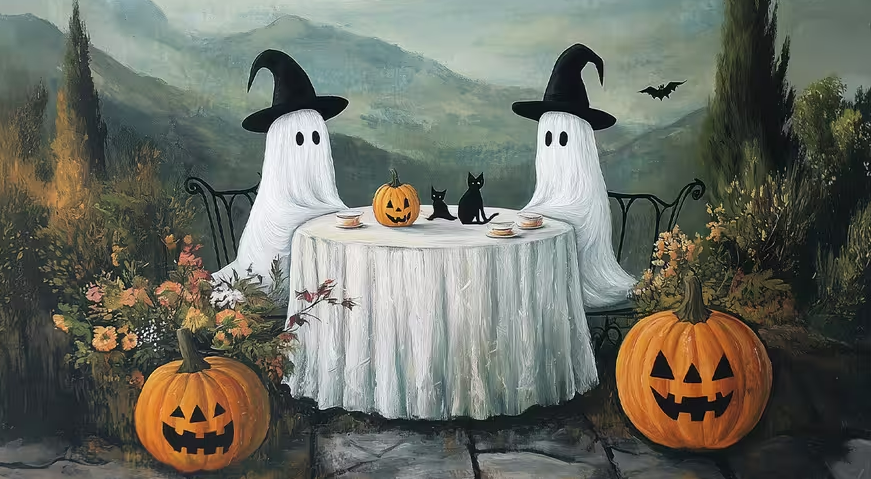
Vampires, zombies and haunted houses have always been Halloween’s usual frights. This year SOCIAL’s Halloween series picks something that feels more familiar: the message that never gets a reply. Titled Ghosted, the party on 31 October is built on the idea that in 2026, the real horrors lie in your DMs.
I couldn’t find the Mohali listing itself, but the same Ghosted night appears on SOCIAL’s other city pages. The Chandigarh page describes it as perfect for anyone who has been ghosted and everyone who has ghosted someone. The Lucknow listing gives Saturday, 31 October, 7:00 PM. Please check timings, cover charges and tickets for Mohali directly with the venue or its ticketing page before you plan your night.
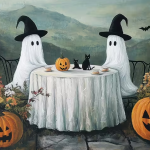
The concept works because nearly everyone has been on one side of it. Ghosting means going silent on someone with no explanation. It is the “seen” tick that never turns into a reply, the date who vanishes, the friend who fades. Turning it into a costume-party theme lets people laugh at what is normally an irritating experience. Expect dead-end chat jokes, “left on read” humour, spooky décor, themed drinks, and costumes that are either properly scary or pointedly relatable. A ghost sheet is the obvious choice, though anyone who has ever ghosted someone might want to dress as one too.
The Origin of Halloween
Halloween is much older than the costumes and candy. Its roots go back more than 2,000 years to the Celts of Ireland, Scotland and parts of Britain, who held a festival called Samhain (roughly “sow-in”) at the end of the harvest season. It marked the shift from the light half of the year to the dark half, and the Celts believed the boundary between the living and the dead grew thin that night. People lit bonfires and wore disguises, partly to blend in with wandering spirits and partly to keep them away.
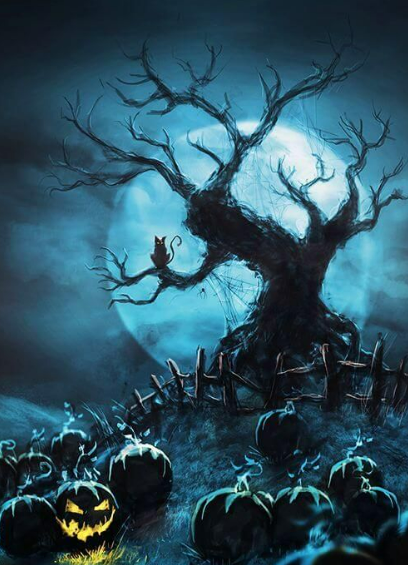
When Christianity spread across the Celtic lands, the Church placed its own observances around the same time. All Saints’ Day, honouring saints and martyrs, was set on 1 November. The evening before became All Hallows’ Eve, which over centuries was shortened to Halloween. Old customs such as bonfires, costumes and food offerings for the dead survived alongside the new religious meaning.
Many Halloween symbols come from folklore. The jack-o’-lantern comes from an Irish tale about a trickster called Stingy Jack, doomed to wander with a glowing coal inside a hollowed turnip. Irish immigrants in North America later found that pumpkins were bigger, easier to carve and far more plentiful.
How Halloween Is Celebrated in the USA
Halloween reached the United States in large numbers in the 19th century, especially with the Irish and Scottish immigrants who arrived during and after the Great Famine. It began as a small community festival and grew into a major national event.
Today it is one of the country’s biggest seasonal celebrations. Common traditions include:
- Trick-or-treating. Children in costume go door to door for candy, a custom that spread widely in the mid-20th century. Many neighbourhoods have a “trunk-or-treat” version too, held in car parks.
- Pumpkin carving. Families carve jack-o’-lanterns and line porches and windows with them. Pumpkin patches and pumpkin-spice everything arrive with autumn.
- Decorations. Houses are covered in cobwebs, skeletons, fog machines and inflatable ghosts. Some streets take the competition very seriously.
- Costumes and parties. Adults have their own Halloween culture of costume parties, bar crawls and themed club nights. Many people treat it as a chance to play a character for the evening.
- Haunted attractions and horror. Haunted houses, corn mazes, hayrides and horror-movie marathons fill the weekends around 31 October.
It is also big business. The National Retail Federation estimates American Halloween spending at well over $11 billion in recent years, covering candy, costumes, decorations and more.
How Halloween Is Celebrated in India
Halloween is not a traditional Indian festival, and it has no religious standing here. Its growth is a story of globalisation, social media and urban nightlife. Younger people in metros and tier-two cities saw Halloween in films, TV shows and Instagram feeds, and cafés, clubs and event organisers saw a good reason to host themed nights.
In India it is mostly a party and nightlife event, not a neighbourhood tradition. You won’t see children trick-or-treating the way they do in the US, though some schools, apartment complexes and malls run costume contests and small events for kids. Most of the celebration happens in restaurants, bars and clubs. Chains such as SOCIAL have run Halloween nights across many cities with creative themes. In recent years these have included The Freak Show and “Corporate Hell”, which riffed on office life with tombstones marking missed targets. Ghosted fits this pattern, taking a very modern social anxiety and turning it into a party concept.
Indian culture also has its own traditions around spirits and the dead, though they are different in meaning and tone. The fortnight of Pitru Paksha honours ancestors, and the day before Diwali is observed in some regions, such as Bengal, as Bhoot Chaturdashi, when people light lamps to ward off spirits. Halloween isn’t connected to these, but the overlap in theme helps explain why a spooky festival has found a ready audience.
Why Ghosted Works in Mohali
Mohali and the wider Chandigarh tricity have a large young population of students, IT professionals and working people with a strong appetite for nightlife, live music and social events. A night that lets friends and strangers swap bad-dating stories, laugh about being left on read and dress up in the spookiest outfits they can manage fits the city well.
If you are going, a few simple tips will help. Book ahead, since Halloween nights at popular venues tend to fill up. Plan your costume early, because a clever and relatable one will get more attention than an expensive one. Go with a group, and keep arrangements for getting home safely in advance.
Halloween began as an ancient ritual to face the fear of death and the unknown. Today, in a Mohali party venue, the thing people dread most may well be a silent phone. Whether you’ve been ghosted, have ghosted someone, or just want a good night out in costume, 31 October gives you the chance to laugh at it together.