





SEO Title: RBI Raises Repo Rate to 5.50%: What It Means for Your Loans and Savings
Meta Description: RBI raises repo rate 25 bps to 5.50%, its first hike in nearly four years. What the shift to calibrated tightening means for borrowers, savers and businesses.
Slug: rbi-raises-repo-rate-5-50-inflation-risks
Tags: RBI, Repo Rate, Monetary Policy, Inflation, Home Loans, Fixed Deposits, Indian Economy
Published: October 7, 2026 | 6:00 PM IST
RBI Hikes Repo Rate by 25 Basis Points
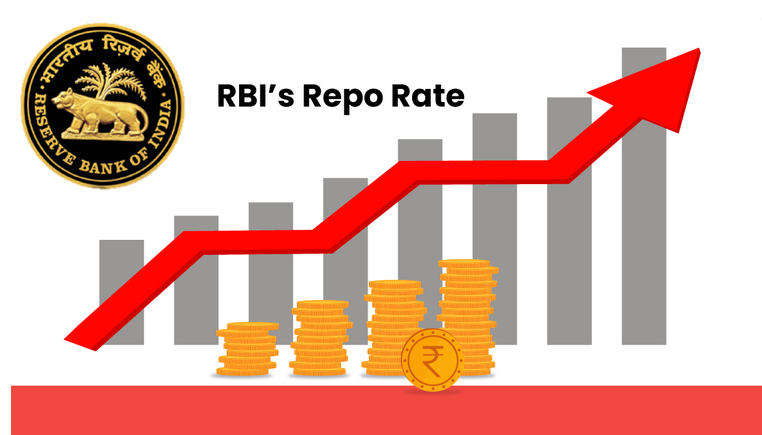
The Reserve Bank of India has raised its key repo rate by 25 basis points to 5.50%, according to Reuters. This is the central bank’s first rate hike in nearly four years. The six-member Monetary Policy Committee (MPC) voted unanimously for the increase and changed its policy stance from neutral to calibrated tightening.
The move responds to inflation that has stayed above the RBI’s 4% target. Consumer price inflation stood at 4.82% in August, the third straight month above target, while economic growth remains strong.
Why It Matters
The repo rate is the rate at which the RBI lends to banks, and it influences what banks charge borrowers and pay depositors. A hike, combined with a tightening stance, signals that the central bank is now prioritising inflation control. For households, this can affect EMIs, loan approvals and deposit returns over the coming months.
Key Numbers From the Policy Decision
Why the RBI Chose to Tighten Now
Two conditions lined up. First, inflation has stayed above the 4% target for three consecutive months, and the RBI’s FY27 CPI projection of 5.2%, reported by Financial Express, suggests it expects price pressures to persist. Second, growth gives the central bank room to act. With April–June GDP at 7.8% and the FY27 growth forecast raised to 7.1%, the RBI appears confident the economy can absorb slightly higher borrowing costs.
The new “calibrated tightening” stance indicates the MPC is open to further action if needed, though it does not commit to a specific path.
What It Means for You
Borrowers
Floating-rate loans linked to the repo rate may reset higher at the next reset date. Fixed-rate loans are unaffected until their terms change.
Savers
Banks sometimes revise fixed deposit rates after a hike, but timing and size vary by bank. Existing FDs keep their booked rate.
Businesses
Working capital and term loans tied to external benchmarks may become costlier, which matters when planning expansion or inventory.
Practical Steps to Take
- Check your loan benchmark: Confirm whether your home or personal loan is linked to the repo rate (EBLR), MCLR or a fixed rate.
- Note your reset date: Repo-linked loans usually adjust on a set schedule, not instantly.
- Choose tenure or EMI: If rates rise, lenders may extend tenure instead of raising EMIs. Ask which option applies and whether you can choose.
- Compare deposit offers: Before renewing an FD, check whether your bank has revised rates.
- Edge case: Borrowers already near retirement age may prefer higher EMIs over a longer tenure.
Sources
- Reuters — RBI policy decision coverage, October 7, 2026
- Financial Express — RBI FY27 GDP and CPI projections
Summary and Next Step
The RBI’s hike to 5.50% and shift to calibrated tightening put inflation control first. Review your loan terms and deposit rates this week so any change doesn’t catch you off guard.